Chinese President Xi Jinping and President Trump pose for photographers as they arrive to view documents at the National Archives in Washington, D.C., on Friday, September 25, 2026, as a part of Xi’s state visit.
China has long sought peer validation from the only country whose recognition would carry decisive strategic weight — the U.S.
President Trump has now handed Beijing that prize. By repeatedly framing his summits with Chinese President Xi Jinping as a U.S.-China “G2” or “group of two,” Trump is granting China recognition as America’s principal strategic peer.
In fact, by hosting Xi last week for a state visit while world leaders gathered at the United Nations, Trump effectively portrayed the U.S.-China relationship as the axis of a bipolar world — a depiction that risks alienatingU.S. allies and partners, such as Japan, India, Australia, the Philippines, Vietnam, South Korea and NATO members.
The symbolism surrounding the latest Trump-Xi summit was hard to miss. In an unprecedented departure from American diplomatic practice, Trump personally traveled to Joint Base Andrews, Md., to greet the arriving Xi with a lavish ceremony, which included a red carpet lined by U.S. service members and a military flyover featuring two B-1 bombers.
The following morning, a 479-member military honor guard greeted the Chinese leader during a White House arrival ceremony, capped by a flyover of a B-2 Spirit bomber escorted by four F-22 Raptors. Besides a state dinner, the visit also included a Trump-escorted tour of the National Archives.
These ceremonial flourishes communicated a powerful message: The leaders of the world’s two preeminent powers were meeting as equals.
More revealing than the pomp and pageantry of the summits with Xi has been Trump’s own language. He has repeatedly described his meetings with Xi as the G2. Before last October’s summit in Busan, South Korea, he announced on Truth Social, “THE G2 WILL BE CONVENING SHORTLY!” Afterward, he celebrated “My G2 meeting with President Xi.” Secretary of War Pete Hegseth also echoed the summit encounter as a “historic ‘G2 meeting.’”
Trump revived the G2 terminology during his Beijing visit in May, as if to highlight the formal end of the unipolar age. While previous American presidents carefully avoided legitimizing China’s claim to peer status, Trump’s use of the G2 concept during press encounters projected that the U.S. was now treating China as its true peer.
Trump has also been displaying a strikingly deferential posture toward America’s principal geopolitical rival. In the run-up to Xi’s Washington visit, Trump dismissed or excused reports of China’s actions against the U.S., such as providing Iran satellite imagery to target American assets, while portraying the Chinese leader as a personal friend, claiming he had “never gotten along better” with Xi.
Beijing has long rejected American hegemony while simultaneously seeking equal treatment from Washington. Beijing’s preferred phrase has been a “new model of major power relations” — a formula that seeks mutual respect for each side’s core interests, including China’s communist system and its territorial claims, including on Taiwan and the South China Sea.
The objective was not to establish a formal G2 institution but to normalize the idea that no major global issue could be decided without China. Trump’s summit diplomacy has brought Beijing much closer to realizing that objective.
The latest summit may have achieved little in concrete terms, with no agreement on any of the contentious bilateral issues and the truce in the trade war extended only by two months.
But for Xi, the visit was a propaganda coup, conveying to the Chinese people and the wider world that, under his leadership, China has become America’s equal. The optics indeed reinforced Beijing’s narrative of Xi-led national rejuvenation. Trump’s summit diplomacy has also helped Beijing advance one of the key objectives of its broader strategic messaging: demonstrating to domestic and international audiences that the U.S. can no longer dictate terms unilaterally.
Trump’s courtship of Xi represents a remarkable evolution from Trump’s first term, when tariffs, sanctions and technological restrictions were presented as instruments for reshaping China’s behavior. Today, Washington’s objective is no longer to transform China but to manage strategic rivalry through direct leader-to-leader bargaining, even if it means accepting the world’s largest autocracy as a co-equal on the global stage.
China is still not America’s equal in terms of economic, diplomatic or military power. But peer competition has never required matching strengths. The defining characteristic is the capacity to resist coercion and independently shape international outcomes. When Beijing last year responded to American tariffs by restricting rare-earth exports, it not only showed that economic interdependence cuts both ways but also demonstrated its capacity to impose retaliatory costs on the U.S.
The problem is not engaging a powerful rival to help avert costly miscalculations, but the public elevation of China into a privileged bilateral condominium. The real losers are likely to be America’s own allies and partners, whose interests could be subordinated to Washington-Beijing bargains, forcing them to hedge against U.S. unreliability.
The prospect of a U.S.-China duopoly, in which Washington and Beijing negotiate the rules of global governance while everyone else adjusts to the outcome, is a strategic nightmare for U.S. friends in Asia in particular. They want a stable balance of power, not a Sino-centric Asia.
History offers ample reason for their anxiety. Major powers have repeatedly sought stability through exclusive understandings while middle powers and smaller states absorbed the consequences.
The White House’s accommodative approach will likely gain greater salience as Trump has indicated that he will meet Xi again in November and December — first at the APEC Economic Leaders’ Meeting in Shenzhen, China, and then at the G20 summit in Miami.
China’s greatest diplomatic victory in recent years has been won not on the battlefield or through economic coercion, but in Washington, where Trump has validated Beijing’s claim to peer status. For Xi, no concession could have delivered a more valuable prize than America itself recognizing China as a co-leader of the international system.
One of the biggest geopolitical stories of the 21st century is the emergence of a broad coalition of countries determined to dilute the West’s monopoly on global governance.
That coalition is officially known as BRICS, an acronym for its five original members: Brazil, Russia, India, China and South Africa. Although BRIC began as an investment term for four emerging economies, the group expanded to include South Africa and held its first BRICS summit in 2011.
Since 2024, BRICS has expanded into an 11-member grouping that includes states as diverse as Indonesia, Saudi Arabia, the United Arab Emirates, Egypt, Ethiopia and Iran.
To many Americans, BRICS is little more than an anti-Western talking shop. But it is a mistake to dismiss a coalition that represents nearly half of humanity (the Group of Seven accounts for less than 10 percent), a growing share of global output, and an increasingly influential voice of the Global South. Whereas the G7 share of the world economy has steadily declined since the 1990s, BRICS’s share continues to rise.
Its growing influence reflects a profound reality: much of the non-Western world wants greater strategic autonomy and deeper economic cooperation beyond Western-led frameworks.
So the real question is not whether BRICS matters, but whether it can catalyze the development of a genuine alternative to the current U.S.-led world order. Its summit in New Delhi last weekend offered an illuminating answer.
The summit concluded with a 140-point New Delhi Declaration. Despite deep divisions, India brokered consensus among rivals by grounding the text in established U.N. legal frameworks and other standard multilateral principles.
But the summit also underscored a central paradox: BRICS members agree that the international system is unfair because it does not reflect today’s distribution of economic and political power. Yet they disagree deeply about what should replace it — or even how to begin overhauling it.
India and Brazil advocate reforming institutions such as the U.N. Security Council, the International Monetary Fund and the World Bank to give developing countries greater representation. They want to keep BRICS as non-Western but not to let it become anti-Western.
China and Russia, in contrast, are often more interested in building parallel structures to curtail Western influence altogether.
And then some newer members, such as Saudi Arabia, the United Arab Emirates and Egypt, maintain close security ties with the U.S., even as they deepen engagement with BRICS. The Emiratis and Saudis even host American military bases. Being part of BRICS allows these countries to diversify their geopolitical options and build alternative partnerships to help insulate themselves from Washington’s policy swings.
BRICS’s initiatives include local currency settlements, alternative payment mechanisms, and development financing through its New Development Bank. They are designed not so much to directly challenge the dollar’s global dominance — which in any case is eroding — as to reduce vulnerability to unilateral Western sanctions. BRICS essentially functions as a geopolitical hedge.
From Washington’s perspective, BRICS is best understood not as an anti-American alliance but as a coalition of countries seeking to reduce dependence on U.S.-led institutions. For many member states, BRICS is largely about expanding their diplomatic and economic choices.
Yet the New Delhi Declaration also exposed one of BRICS’s major weaknesses: its own double standards.
The declaration strongly condemns “unilateral coercive measures,” language aimed primarily at U.S. sanctions and trade levies such as the European Union’s Carbon Border Adjustment Mechanism. That criticism resonates across much of the non-Western world, where many governments view such unilateral action as something the Western-dominated international system makes possible.
But the declaration had one conspicuous omission: China is increasingly employing export restrictions on rare earths, critical minerals, manufacturing equipment and key industrial components as instruments of geopolitical leverage, including against its own BRICS partners.
For example, Beijing has recently imposed formal and informal India-specific export curbs, which have been widely interpreted as efforts to slow India’s emergence as an alternative global manufacturing hub. If unilateral economic coercion is objectionable when practiced by Washington, how can it be ignored when practiced by Beijing?
The answer has much to do with the mechanics of consensus diplomacy. Every BRICS declaration requires unanimous approval. So members are willing to collectively criticize external powers, but they have little space to name coercive behavior within their own ranks.
That, in turn, reveals an uncomfortable truth: BRICS is often united more by what it opposes than by what it practices — or by any shared vision of the alternative international order it hopes to build.
None of this means the U.S. should underestimate the organization. BRICS has already succeeded in signaling that the era of Western dominance is drawing to a close. More than three dozen countries have formally applied or expressed interest in joining BRICS, including states that remain close U.S. allies, such as Bahrain and Turkey, a NATO member.
The attraction is that BRICS helps broaden international options for governments, many of which increasingly want multiple centers of economic and diplomatic influence rather than reliance on a single superpower.
For Washington, ignoring legitimate demands for greater representation in global institutions would be counterproductive to its own interest in upholding the present international order. A willingness to reform multilateral governance may prove more effective than attempting to preserve structures designed in and for 1945.
The New Delhi summit may have demonstrated both the promise and the limits of BRICS. It is an influential coalition but not yet a unified alliance. It can coordinate diplomatic messaging but struggles to reconcile rival national ambitions. Its members share strong dissatisfaction with the current order but remain divided over the architecture of the next.
Such underlying strain does not diminish BRICS’s significance. The future order will likely be shaped by a diverse group of middle powers seeking a multipolar world in which no single nation or bloc writes all the rules, East or West.
China’s own scientists are warning the world about the serious risks posed by the colossal Chinese super-dam rising just miles from India’s border on the upper reaches of the Brahmaputra. Why has India been loath to leverage those scientific warnings?
For more than five years since China’s rubber-stamp parliament approved the project in March 2021, India has responded to the threat the super-dam poses to downstream Indian communities with quiet diplomacy: confidential demarches, requests for transparency and cautious official statements. That strategy has produced virtually nothing.
Construction continues at full speed on what will become the world’s largest hydroelectric dam, rising in Medog county in Tibet’s Nyingchi prefecture.
The behemoth dam could singlehandedly reshape the course of the Yarlung Tsangpo, as the Brahmaputra is known in Tibet. While the intense rains across Arunachal Pradesh, Assam and Meghalaya contribute immensely to the Brahmaputra’s flows during the fourth-month monsoon season, the river’s lean-season or dry-season flows depend for almost eight months on perennial sources such as glacier melt, mountain springs, snowmelt and other base flows originating mainly in Tibet.
The perennial flows carry nutrient-rich Himalayan silt. Trapping this sediment behind the mother of all mega-dams would starve downstream floodplains of vital nutrients, while releasing sediment-stripped water would incrementally erode riverbeds in India and Bangladesh regardless of the season. The super-dam’s flow regulation would thus represent a major geopolitical and ecological vulnerability downstream.
The Medog project itself poses a geological and humanitarian challenge whose consequences could reach millions of people across Arunachal Pradesh, Assam, Meghalaya and Bangladesh. Ironically, the strongest case against the project is coming from China’s own state-linked scientists.
Instead of a single dam with a reservoir, the unprecedented Medog project appears to be a vast, tunnel-linked hydropower and water-diversion complex deep in the Himalayas. It reportedly dams the Brahmaputra at more than one point around the Great Bend, where the river makes a dramatic U-turn around the towering Namcha Barwa peak before gushing south into India.
The project remains shrouded in secrecy. Yet some state-linked Chinese analysts claim it includes a tunnel dozens of kilometres long bored through Namcha Barwa, linking the northern and southern reaches of the river across its Great Bend. Taken together, this sprawling infrastructure is best described as a super-dam.
For Tibetans, the mega-project represents another assault on their land, culture and way of life. It is being built in one of Tibetan Buddhism’s most sacred landscapes. The tunnelling, damming and large-scale excavation are widely viewed as a desecration of territory long revered by Tibetans, who for centuries have served as environmental guardians by respecting nature as both their teacher and protector.
Against this backdrop, India should abandon its largely silent approach and highlight at multilateral forums the warnings published by Chinese geologists. New Delhi should spotlight Chinese scientific evidence that the dam is being constructed atop an active fault system with unusually fragile geological conditions. When China’s own experts describe the project as vulnerable to seismic instability, India possesses a powerful diplomatic opportunity that it has yet to seize.
The dam is staggering in scale. Planned with a generating capacity of 60,000 megawatts—nearly three times larger than the Three Gorges Dam—it is designed to exploit the dramatic 2,000-metre descent of the Yarlung Tsangpo as the river bends around the Namcha Barwa massif before entering India. The project, approved in China’s Five-Year Plan in 2021 and estimated to cost about $127 billion, embodies the Chinese Communist Party’s longstanding ambition to build the world’s biggest engineering marvels.
But the super-dam’s location is precisely what makes it extraordinarily dangerous. The dam sits within one of the world’s most seismically active regions, where the Indian and Eurasian tectonic plates collide.
This Himalayan collision zone has produced some of Asia’s most destructive earthquakes, including the 1950 Assam-Tibet earthquake that was so powerful that it cut off India’s northeast from the rest of the country. It also caused significant changes to the Brahmaputra, including the blocking of tributaries by landslides and alterations to the river’s course and riverine morphology.
A more recent example of Himalayan seismic instability was the devastating earthquake that struck Myanmar in 2025, with tremors extending almost 1,000 kilometres to Bangkok. Meanwhile, the catastrophic flash flooding along the Tibet-Nepal border has served as a vivid demonstration of how tightly linked glacial, hydrological and geological systems are in the Himalayas.
Unlike conventional hydroelectric projects built on relatively stable terrain, the super-dam is being carved into mountains already fractured by persistent tectonic movement. The Himalayas continue to undergo active crustal deformation.
Geography magnifies the risk for millions living downstream in India. Any catastrophic failure of the super-dam would occur along the international boundary, directly affecting densely populated river valleys in northeastern India. While Bangladesh may not escape death and destruction, India would likely bear the overwhelming human cost.
The super-dam debate changed fundamentally in June 2026, when a team of Chinese geologists published a landmark study in Sedimentary Geology and Tethyan Geology, a journal overseen by the state-run China Geological Survey. The research was conducted by scientists affiliated with three state-backed Chinese institutions: the Middle Yarlung Tsangpo River Natural Resources Observation and Research Station; the Chengdu University of Technology; and the Civil-Military Integration Centre of the China Geological Survey.
The study’s conclusions are surprisingly direct. The researchers confirmed that the active Paizhen geological fault runs directly beneath the reservoir and key infrastructure zone of the Medog super-dam complex. They warned that repeated tectonic activity has fractured the surrounding bedrock, weakening the foundation upon which the dam, diversion tunnels and transport infrastructure will depend.
More strikingly, they concluded that the rock and soil surrounding the reservoir zone possess a “loose structure and weak cohesion,” making them highly susceptible to landslides and instability once the dam’s enormous reservoir is filled. Even moderate seismic activity or fault movement, they cautioned, could “very easily trigger” widespread slope failures, mass landslides and rock collapses into the river channel.
To illustrate the immediate threat, the study highlighted the magnitude-6.9 earthquake that struck the India-bordering Nyingchi prefecture, where the super-dam is being built. The earthquake occurred along the northern edge of the same Paizhen Fault network, demonstrating that the very fault system underlying the dam remains capable of generating powerful earthquakes.
The study’s warning extended to operational hazards affecting supporting infrastructure. The authors emphasized that seismic deformation along the fault threatens the structural integrity of the super-dam complex’s multi-kilometre subterranean diversion tunnels cut through the towering 7,782-metre-high Namcha Barwa mountain, as well as the bridges and logistics corridors located downstream from the dam.
If Beijing’s own scientific establishment acknowledges these grave geological hazards, why is India not making them central to the international conversation?
There is another reason these findings deserve global attention: China has an inglorious history of dismissing internal scientific warnings about dams.
Before the catastrophic 2008 Wenchuan earthquake on the eastern rim of the Tibetan Plateau, chief engineer Fan Xiao of the Sichuan Geology and Mineral Bureau repeatedly warned that the nearby Zipingpu Dam could induce seismic stresses by impounding massive quantities of water above an active geological fault. After nearly 90,000 people died in the earthquake, numerous international and domestic geologists later linked the rapid filling of Zipingpu Dam’s reservoir to the catastrophic magnitude-7.9 earthquake.
Impounding millions of cubic meters of water in high-pressure mountain valleys increases pore-fluid pressure along local faults, which can trigger earthquakes—a phenomenon known scientifically as “reservoir-induced seismicity,” or RIS.
This is not the only grim precedent to haunt China. Another prominent example was the catastrophic 1975 Banqiao Dam collapse, which occurred despite scientific warnings. Prominent Chinese hydrologist Chen Xing had repeatedly warned that excessive construction of dam reservoirs along rivers in Henan province, while ignoring geological limits and flood-discharge capacities, would lead to structural collapse. His warning was dismissed.
Yet despite the obvious lesson that ignoring credible geological warnings can carry catastrophic consequences, Chinese President Xi Jinping’s regime is persisting with the super-dam’s construction.
India’s restrained approach may be understandable. Beijing rejects binding water-sharing treaties, embraces an absolute territorial sovereignty doctrine over upstream rivers, and routinely resists transparency on projects that can significantly affect transboundary river flows. Without legal mechanisms to halt construction, New Delhi has concentrated on satellite monitoring, downstream infrastructure and disaster preparedness while raising concerns confidentially through bilateral channels.
But in stark contrast to China’s unilateralist approach to projects in border regions, including on shared rivers, India still hews to quiet diplomacy, although this approach has yielded little. China’s construction footprint has expanded continuously along the Himalayan frontier despite years of Indian objections.
Just imagine the reverse scenario. Had India begun constructing a 60,000-megawatt dam immediately upstream of Chinese territory near a contested frontier, Beijing would almost certainly have mobilized international opinion, emphasized environmental risks, highlighted scientific concerns, and portrayed the project as reckless and a direct strategic threat. China excels at shaping global narratives when its interests are involved.
India has essentially chosen silence where China would choose amplification.
The greatest irony is that India already possesses the evidence needed to reshape the international debate on the super-dam. It does not have to speculate about hidden faults or invent worst-case scenarios. Chinese scientists have documented the active Paizhen Fault, fractured bedrock, weakened foundation capacity, unstable reservoir slopes and seismic history in painstaking technical detail. Those findings deserve global scrutiny precisely because they originate within China’s own state-linked scientific system.
Quiet diplomacy has not slowed construction, increased transparency or secured binding safeguards. Continuing the same approach while the world’s largest and riskiest dam rises beside the Line of Actual Control (LAC) is less a strategy than an admission of helplessness.
When the potential danger from the super-dam is measured not only in megawatts but also in millions of downstream lives, New Delhi ought to demand evidence-based accountability by placing the Chinese scientific system’s own geological warnings at the centre of the global conversation.
China’s Dam Frenzy Spawns Dam Collapses
For more than seven decades, China has pursued the most ambitious dam-building program in human history. Since Mao Zedong declared that China must “tame the rivers,” dams have become symbols of national power, technological modernity and the Communist Party’s ideological triumph.
The country has transformed its landscape by damming every significant river, diverting waters across distant river basins, and exporting its dam-building model to Asian, African and Latin American countries.
Yet beneath this show of engineering prowess lies a sordid record Beijing has long sought to cloak: China has experienced more dam failures than any other nation. Thousands of dam reservoirs have collapsed because of substandard construction, political interference and geological miscalculation.
The world’s deadliest dam disaster occurred not in a colonial state but in modern China during the Mao era. Even today, aging infrastructure and extreme weather events continue to expose vulnerabilities within the country’s vast dam network, raising the risks of catastrophic dam collapses.
When the People’s Republic of China was founded in 1949, the country possessed just 22 dams of significant size. Today, it has more than 85,000 dams, including over half of the world’s approximately 50,000 large dams. In effect, China has completed, on average, at least one large dam every day since its so-called Communist revolution.
This extraordinary expansion of dams has been rooted in the Communist Party’s longstanding conviction that rivers should be reengineered to serve political and economic objectives. During Mao’s infamous “Great Leap Forward,” local authorities were encouraged to construct reservoirs at breakneck speed, often prioritizing production targets over engineering standards. Scientific caution frequently yielded to ideological goals, while experienced hydrologists who questioned ambitious projects faced political scorn or even persecution.
The consequences of such a dam-building frenzy have extended to the social domain. By 2007, Chinese authorities acknowledged that 22.9 million people had been uprooted by dam and other water projects since 1949, in one of the largest occurrences of development-induced resettlement in world history.
It is against this backdrop that China’s extraordinary dam-building record is matched by an equally staggering dam failure record. Official statistics released by the Chinese government acknowledge that at least 3,500 dams failed just between 1951 and 2008. Earlier government figures showed 2,796 collapses by 1980 and roughly 3,200 by 1981—equivalent to nearly 4% of all dams then in existence.
The true number may never be known. Information surrounding dam failures has long been treated as a state secret, and China has generally been reluctant to share failure data internationally. At a 1991 international conference on dam safety in Vienna, participating countries reported their historical dam collapses. China alone stated that it had none to report, despite its own published domestic statistics documenting thousands of failures.
This opacity has obscured an uncomfortable reality: many failures were not acts of nature alone, but products of systemic human error impelled by an authoritarian political system.
The defining catastrophe occurred in August 1975 in Henan province. Following unprecedented rainfall from Super Typhoon Nina, the Banqiao Dam overtopped and breached. Its collapse unleashed a chain reaction that destroyed the nearby Shimantan Dam and approximately 60 additional reservoirs in a cascading hydraulic failure.
The immediate deluge killed an estimated 26,000 people. Subsequent famine, disease and social collapse raised the total death toll to between 170,000 and 230,000, making Banqiao the deadliest structural dam failure ever recorded.
The catastrophe could have been averted had authorities heeded the warnings of Chinese hydrologists, especially as Chen Xing had repeatedly warned that over-building reservoirs would likely trigger structural collapse. Rather than revising the project, authorities denounced Chen’s criticisms as politically incorrect.
Details of the disaster, in fact, remained classified for three decades before being partially declassified in 2005.
More than an engineering failure, Banqiao was a failure of governance, where ideology overruled scientific expertise.
Although Banqiao remains unparalleled, later disasters have shown that the underlying problems did not end with Mao.
In 1993, the Gouhou Dam in Qinghai province collapsed, killing more than 300 people. Investigators attributed the failure to serious design defects, inadequate quality control and poor compaction during construction. Qinghai, the birthplace of the present Dalai Lama, has historically been part of the traditional Tibetan region of Amdo, a major cultural and spiritual homeland for Tibetans.
In 2000, a massive landslide created a natural dam on the Yiong Tsangpo, which is a tributary of the Yarlung Tsangpo. It joins the main river just upstream of where the Yarlung Tsangpo makes its great bend around the Namcha Barwa mountain and enters Arunachal Pradesh as the Siang/Dihang, which then becomes the Brahmaputra.
Despite clear warning signs, the temporary dam on the Yiong Tsangpo eventually burst, sending destructive floodwaters through Tibet and into Arunachal Pradesh, destroying bridges and vital infrastructure downstream. The event illustrated how Himalayan geology can transform localized instability into an international disaster.
More recently, the connected Yongan and Xinfeng dams in Inner Mongolia failed in rapid succession in 2020 after heavy rainfall. Although evacuations prevented mass casualties, the dual failure inundated farmland, destroyed roads and renewed concerns about thousands of aging reservoirs constructed in pursuit of political quotas without modern safety standards.
These failures together underline continuity rather than exception. The recurring causes of failure reflect an infrastructure network built rapidly, expanded relentlessly and maintained unevenly. Thousands of older dams now lack modern monitoring systems, early-warning sensors and upgraded flood-control capacity.
China’s most famous dam, the Three Gorges Dam, has never suffered a major structural failure. Yet it has carried profound environmental impacts and significant geological risks.
The project officially displaced 1.4 million people, submerged cities and villages, altered aquatic ecosystems, intensified pollution within its mammoth reservoir and trapped enormous volumes of sediment. Geologists have also documented thousands of micro-earthquakes and widespread landslides associated with the immense weight and fluctuating levels of its reservoir, which holds 39.3 billion cubic meters of water.
Today, the principal concern over this giant dam is less an abrupt collapse than cascading risk. The Three Gorges Dam, on the Yangtze River, sits within a broader network of upstream reservoirs, meaning extreme rainfall could compound hydraulic pressures across multiple dams simultaneously, unleashing a sudden surge of water. Such a scenario, eerily reminiscent of Banqiao’s domino effect, could threaten downstream industrial hubs and mega-cities along the Yangtze.
This background is especially relevant as China erects its unprecedented super-dam on the upper reaches of the Brahmaputra, within one of the world’s most seismically active mountain belts. China’s own hydraulic history offers a cautionary lesson: the greatest danger is often not the river but the belief that it can be bent to the Chinese will.
Beijing is again smothering inconvenient scientific warnings. In earlier decades, engineers, hydrologists and geologists who questioned excessive dam construction or inadequate flood-discharge capacity were frequently mocked and marginalized, allowing flawed projects to proceed without meaningful scrutiny. Now Beijing is persisting with the construction of what it calls “the project of the century” even as its own scientists warn of serious geological risks at the site.
‘Dam-For-A-Dam’ Strategy?
The fact that no country has built more dams than Beijing and that no country has witnessed more dam failures than China should shape how the world evaluates the Himalayan super-dam and how India responds. As the record shows, Chinese engineers are capable of building monumental structures. The deeper question is whether any government can safely impose permanent hydraulic control over a dynamic, earthquake-prone river system whose behaviour continually exceeds human prediction.
The greatest threat posed by the Medog mega-project is the possibility that the world’s largest hydroelectric dam could become the world’s greatest transboundary flood hazard. India’s response should prioritize resilience, surveillance and diplomacy.
For India, the project is a strategic and humanitarian challenge whose consequences threaten millions living downstream. Much attention has focused on whether the super-dam will allow China to manipulate cross-border river flows. That concern is legitimate. The Brahmaputra is the lifeline of northeastern India, irrigating farmland, sustaining fisheries, replenishing wetlands and supporting livelihoods before flowing into Bangladesh, where it becomes the country’s single largest source of freshwater.
Yet the more immediate danger may be one that receives far less discussion: the catastrophic risk of structural failure in one of the world’s most earthquake-prone landscapes. An unparalleled dam built inside the Eastern Himalayan Syntaxis creates not only Chinese geopolitical leverage but also systemic disaster risk for downstream communities.
India thus faces a defining policy choice. Should it respond by constructing its own giant counter-dam immediately downstream as a “water buffer” strategy? If China abruptly impounds water, creating a drought in the lean season, or suddenly releases massive volumes of water, unleashing an artificial flood, could India’s downstream counter-dam regulate river levels, absorb a surge and mitigate the “water bomb” risk? Or should India pursue a fundamentally different strategy centred on technology and flood resilience?
New Delhi’s proposed Upper Siang Multipurpose Project (USMP) is an 11,000-megawatt hydroelectric and flood-control dam in Arunachal Pradesh estimated to cost roughly $13 billion. Officially, the project serves two purposes: generating clean electricity and creating sufficient storage capacity to absorb sudden surges originating from China’s super-dam. On paper, the logic appears compelling. If China controls the river upstream, India should possess a hydraulic buffer downstream.
The problem is that rivers do not obey human logic. They follow gravity and geology. Human logic seeks control; nature embraces chaos.
A downstream mega-dam cannot reliably neutralize the catastrophic failure of a much larger upstream structure located only a relatively short distance away. Instead, it risks creating a cascading disaster in which one dam’s collapse triggers another.
The geography makes this risk particularly disquieting. China’s Medog project sits just upstream of the Line of Actual Control (LAC), while the proposed Upper Siang dam would be constructed shortly after the river enters India. Between them lies the steep, narrow Yarlung Tsangpo Grand Canyon, the world’s deepest and longest canyon. Rather than dissipating the energy of moving or falling water, this terrain accelerates it, channelling enormous volumes of water through confined valleys at extraordinary velocity.
Should China’s super-dam ever experience a catastrophic breach—whether from a powerful earthquake, a massive landslide from the Namcha Barwa massif or some other extreme geological event—the resulting flood wave would not resemble an ordinary river flood. It would be a high-energy torrent carrying sediment, boulders, liquefied mud and shattered concrete capable of destroying infrastructure across its path.
The downstream Indian reservoir would then become part of the hazard rather than the solution.
The central weakness of the counter-dam concept lies in an operational contradiction. A flood-control reservoir is effective only when it is substantially empty. A hydroelectric reservoir is economically productive, especially as a power generator, only when it remains relatively full.
The Upper Siang project cannot maximize both objectives simultaneously. If operators maintain high water levels to generate 11,000 megawatts of electricity, the available flood cushion shrinks dramatically. If they keep a large empty buffer for emergency protection, electricity generation and project economics suffer correspondingly.
A second constraint is time. Because of the close proximity between China’s super-dam and India’s planned Upper Siang dam, downstream authorities might receive little more than several tens of minutes of warning following an upstream structural failure. Even with perfect communications, safely releasing billions of cubic meters of water from the Upper Siang structure through spillways within such a narrow window would be virtually impossible.
The third, and perhaps most important, problem is seismic. The Eastern Himalayan Syntaxis is among the world’s most active tectonic regions, with the devastating 1950 Assam–Tibet earthquake demonstrating the enormous geological forces capable of reshaping entire river systems.
Any future earthquake of similar magnitude or impact could damage both the Chinese and Indian dams during the same seismic event, transforming two strategic assets into a cascading infrastructure catastrophe.
It is a classic case of correlated risk: when two or more critical systems occupy the same hazard zone, their failures become mutually reinforcing rather than independent.
Given that downstream engineering cannot effectively mitigate the risks posed by the Medog super-dam, India must leverage its rapidly expanding space and remote-sensing capabilities to eliminate strategic blindness over the Tibetan Plateau.
Just as China does not have a water-sharing treaty with any downstream country, it also lacks comprehensive, year-round, real-time, automated hydrological data-sharing and emergency-notification mechanisms with any neighbour.
During crises, India, therefore, cannot assume that Beijing will provide timely information about reservoir conditions or geological emergencies. The obvious solution is autonomous observation. Rather than depending upon Chinese disclosures, India can build an independent picture of upstream risk.
India’s NISAR and RISAT series satellites, together with Cartosat imaging satellites, offer precisely the technological foundation required for continuous monitoring of the Medog project, including detecting subtle structural movement, reservoir expansion, unstable mountain slopes and landslide precursors.
Jointly launched by ISRO and NASA, the NISAR satellite, with its dual-frequency radar technology, measures millimetre-scale ground deformation and monitors natural hazards like Himalayan landslides and glacier dynamics. The Cartosat satellites provide high-resolution sub-meter stereo imagery for building 3D models of steep Himalayan slopes, while the RISAT series gives round-the-clock synthetic aperture radar (SAR) coverage during heavy monsoon downpours when optical cameras are blinded by clouds.
Equally important is what happens on the ground. A dense network of automated acoustic and radar water-level sensors positioned near the LAC along the Siang River would transmit instantaneous water-level anomalies into India’s disaster management architecture. Sudden upstream impoundment, abnormal discharge or unusual flow acceleration would automatically trigger downstream alerts without requiring human interpretation.
In an age of satellite intelligence, early warning is becoming as strategically valuable as physical infrastructure.
Furthermore, India should invest in distributed flood-management systems along the Siang and Brahmaputra floodplains. Controlled flood-bypass channels, diversion tunnels and dry floodways could redirect extreme surge waters away from densely populated settlements into designated unpopulated, low-lying areas.
Restoring Assam’s historical wetlands, beels and oxbow lakes would recreate natural sponge basins that absorb flood peaks while simultaneously enhancing biodiversity and groundwater recharge. Embankment setbacks (moving traditional levees further back from the riverbank) would provide the Brahmaputra greater room to expand during exceptional floods instead of forcing enormous hydraulic energy into narrow corridors.
Transparency itself can become a strategic instrument of pressure on Beijing. India should routinely publish open-source satellite analyses, seismic assessments and independently verified geological reports concerning conditions around Medog. The message to Beijing should be that establishing infrastructure capable of endangering millions of people across the international boundary carries corresponding responsibilities of disclosure and accountability.
A first step toward compelling Beijing to lift its opacity should be a formal diplomatic request demanding full technical disclosure of the Medog project, including design specifications, geological assessments, reservoir safety studies, seismic modelling and emergency response protocols. India should simultaneously request permission for an independent international scientific inspection involving experts from multiple countries.
Beijing will probably refuse. But refusal itself carries diplomatic value. A government genuinely confident in the safety of its engineering should welcome independent scrutiny, particularly when millions of downstream lives are potentially affected. Opacity reinforces suspicion.
India should also elevate the issue in international scientific and environmental forums rather than treating it solely as a bilateral matter. The central question is universal: Should the world’s largest dam be constructed directly across an active geological fault in one of Earth’s most seismically unstable mountain systems without independent international oversight?
At the same time, India must prepare for China’s unparalleled super-dam ultimately becoming an enduring reality. The more durable Indian response should centre on layered resilience: autonomous satellite surveillance, AI-assisted flood forecasting, automated river sensors, restored wetlands, engineered floodways, evacuation infrastructure and sustained diplomatic pressure for transboundary transparency. Together, these measures could contribute to reducing both uncertainty and human vulnerability.
But India must also reshape the international narrative by placing China’s own scientific warnings, dam-failure record and refusal to allow independent scrutiny at the centre of the global debate. The super-dam may well stand as a monument to China’s ambition; it should not become a tombstone for downstream millions.
If the promise of the BRICS was to establish a monetary union, a single market, or a tightly integrated political alliance, it has not been fulfilled. But if it was to build a platform for emerging economies to cooperate while advancing their own strategic autonomy, the BRICS has exceeded expectations.
Twenty years ago this month, the foreign ministers of Brazil, Russia, India, and China held the first meeting of the BRICs. Since then, the grouping has been formalized—the first BRIC summit took place in June 2009—and expanded, with South Africa joining in 2011 and several more countries later coming on board, either as full members or official partners. Today, the BRICS represents a highly consequential experiment in international cooperation, which epitomizes the gradual rebalancing of global power away from the West and the emergence of a multipolar order.
Few acronyms have undergone as dramatic an evolution as the BRICS. Coined by Jim O’Neill, then of Goldman Sachs, in 2001 to encapsulate four fast-growing emerging markets, the “BRICs” grouping has developed into the BRICS, an 11-country political and economic coalition and an increasingly influential voice for the Global South.
Since adding Egypt, Ethiopia, Indonesia, Iran, Saudi Arabia, and the United Arab Emirates to its ranks in 2024-25, the BRICS accounts for nearly half of the world’s population and about 40% of global GDP (in purchasing-power-parity terms). By contrast, the G7 accounts for less than 10% of the global population and less than 30% of world GDP. And whereas the BRICS’ share of the global economy continues to grow, the pace of productivity and economic growth in advanced economies has been declining steadily since the 1990s.
This economic reversal is increasingly matched in the geopolitical domain, with Western global dominance giving way to a more diffuse distribution of power and influence. Amid this transformation—the likes of which occur only once every 50–100 years—the BRICS has challenged the assumption that global governance should remain centered on the Western-led institutions established after World War II.
For non-Western countries, the BRICS represents a hedge against rising economic and geopolitical uncertainty—generated, not least, by a United States seemingly bent on withdrawing from global leadership—and an institutional platform for advancing strategic autonomy and broadening economic cooperation. Small wonder there has been such enthusiasm for joining: more than three dozen countries have formally applied or expressed interest in becoming members, including Turkey, a NATO member, and Bahrain, the primary operational hub for US naval forces in the Middle East.
The BRICS also has ten “partner countries”—Belarus, Bolivia, Kazakhstan, Cuba, Malaysia, Nigeria, Thailand, Uganda, Uzbekistan, and Vietnam—which can participate in summits. This framework helps to expand the BRICS’ network for cooperation and strengthen its ability to represent the Global South, without jeopardizing cohesion.
The BRICS is much more than a symbolic grouping—merely a message to the world that the era of Western dominance is coming to an end. The grouping has made tangible progress on institution-building. The New Development Bank (NDB) is the first multilateral development bank with global scope conceived and led solely by emerging economies, with the founding BRICS members holding equal shares and voting rights. By contrast, the United States is the largest shareholder at both the World Bank and the International Monetary Fund, where it holds effective veto power. Unlike these US-led institutions, the NDB does not attach political conditions to its infrastructure financing, allowing borrowers to retain greater policy autonomy.
The BRICS has also been working to reduce vulnerabilities within the international financial system. Contrary to speculation, a single BRICS currency akin to the euro is not on the agenda. Instead, the upcoming summit will focus on expanding trade settlement in national currencies, improving interoperability among members’ digital-payment systems, linking central-bank digital currencies, and developing alternative cross-border payment infrastructure. The goal is not to upend the global financial system and supplant the US dollar, which still accounts for about 57% of foreign-exchange reserves held by central banks worldwide, but rather to strengthen resilience against external financial shocks.
As much progress as the BRICS has made over the last 20 years, however, the grouping also faces significant headwinds, rooted not least in its exceptional internal diversity. The BRICS includes liberal democracies and authoritarian states, leading energy exporters and major energy importers, manufacturing powers and commodity economies. The grouping also includes geopolitical rivals: China and India, Iran and Saudi Arabia, and Egypt and Ethiopia. Divisions exist even among its founding members, with Brazil and India generally advocating reform of existing international institutions, while China and Russia seek to challenge the US-led world order.
Diversity brings different ideas and advantages to the table, and ideological uniformity and close strategic alignment are not necessarily prerequisites to cooperation. But a highly diverse grouping, with sharply divergent priorities and geopolitical concerns, will always struggle to forge consensus. Every round of enlargement compounds the challenge, even as it raises the BRICS’ profile as a broadly representative international coalition.
As the group convenes in New Delhi for its 18th summit, one might ask whether it has lived up to its original promise. If that promise was to establish a monetary union, a single market, or a tightly integrated political alliance, the answer is plainly no. But if it was to reshape international relations, broaden the space available to emerging economies on the world stage, strengthen South-South cooperation, and increase pressure for reform of existing international institutions, the BRICS has exceeded expectations.
More fundamentally, the BRICS has normalized an idea that once seemed impossible: that emerging economies can cooperate with one another, build their own institutions, and change how the international order is organized. That is no small feat.
Brahma Chellaney, Professor of Strategic Studies at the New Delhi-based Center for Policy Research and Fellow at the Robert Bosch Academy in Berlin, is the author of nine books, including Water: Asia’s New Battleground (Georgetown University Press, 2011), for which he won the 2012 Asia Society Bernard Schwartz Book Award.
The Nepal-Tibet catastrophe unfolded just as two international scientific studies had anticipated by modelling how flood surges behave as they emerge from engineered corridors in the Tibetan border region into downstream Nepal.
Debris from a bridge damaged by flash flooding lies along the banks of the swollen Trishuli River at 1 Number Pul, in Nepal’s Nuwakot district. AP Photo.
Humanity is altering natural ecosystems more rapidly than it is developing an adequate scientific understanding of the consequences. Those alterations are contributing to climate change, which in turn is amplifying the damage to ecosystems. The Nepal-Tibet flood disaster is a stark reminder that humanity must stop trying to bend nature to its will.
The catastrophe that began high in the mighty Himalayas on the Tibet-Nepal border is a warning from the world’s youngest, tallest and most volatile mountain range about the dangerous illusion that humans can engineer nature into submission.
An immense ice-and-rock avalanche sheared off a glacier situated directly along the crest of the international boundary on the Nepalese side, plunged into the China-controlled Tibetan upper basin, and unleashed a devastating torrent that ripped through transboundary rivers, wrecking upstream Chinese infrastructure and leaving a vast trail of death and destruction downstream in Nepal.
The disaster exemplified how human interventions can magnify nature’s fury. Nepal bore no responsibility for the catastrophic flash floods, yet it faced their main brunt. Extensive infrastructure-centered alterations to the upstream river corridor and mountain landscape in the Tibetan border region compounded the downstream effects through physical, structural and operational vulnerabilities.
The tragedy’s central lesson is best summed up by the 1970s American television advertising slogan that became a pop-culture catchphrase: “It’s not nice to fool Mother Nature.”
In the name of development, countries have long sought to redirect river flows, flatten mountains, tame weather and conquer landscapes. Such engineering has undeniably brought energy, water and prosperity. But when it disregards the fundamental logic of natural systems, manageable risks potentially turn into calamitous ones.
The Tibet-Nepal disaster offers the latest illustration of why respecting nature has become an imperative for humanity’s future.
Yet much of the analysis of this disaster in U.S. and international media has focused on climate change while obscuring how human alteration of ecosystems is itself increasing natural hazards and accelerating global warming. Climate change should not become a catch-all explanation that deflects attention from the broader ecological and environmental damage caused by human activity. Climate change is one consequence of these wider human impacts.
The unstable Himalayas are a living geological laboratory. Large-scale construction and river engineering there can significantly compound risk.
Pounded by the slow-motion collision of the Indian and Eurasian tectonic plates, the Himalayas remain among the most seismically active and structurally fragile regions on Earth. Their rocks continue to fracture and rise; glaciers expand and retreat; and monsoon rains and freeze-thaw cycles constantly weaken steep valley walls. In such an environment, landslides, cryospheric collapses and flash floods are anything but rare.
The latest catastrophe underscores that inherent instability. But what followed the initial act of nature was shaped as much by human construction as by natural processes.
Natural floodplains, gravel bars and meandering channels act as hydraulic shock absorbers, dissipating energy by allowing water to spread laterally. When they are replaced with concrete embankments, retaining walls, highways, diversion structures and narrowed channels, the river system loses its natural flood buffer. Water is forced into tighter corridors from Tibet, accelerating its speed and increasing its destructive power in Nepal, as a 2022 scientific study had forewarned.
That is exactly how the flood tragedy appears to have unfolded, with extensive embankments, border facilities, highways, intake works and riverbank engineering creating artificial bottlenecks in the upper Tibetan valley. Instead of allowing the floodwaters and debris to disperse naturally, these structures funneled the liquid-rock-mud mass through a narrow gorge, dramatically increasing its velocity before it surged downstream into Nepal’s river basins.
This resulted in devastating consequences. Loose sediment and debris from upstream construction sites were swept into the deluge, creating a dense, hyper-concentrated slurry that smashed bridges, roads, buildings and hydropower infrastructure with enormous kinetic force. Temporary debris dams formed behind bridges and culverts before bursting, releasing secondary flood pulses that were even more destructive than the original surge, as another peer-reviewed study had foreseen.
The tragedy fits into a much broader global pattern. Modern states increasingly pursue projects that seek to reshape natural systems.
Complex ecosystems, however, rarely behave like human-made machines. Natural systems function through intricate networks of feedback and balance. Every significant human intervention can alter interconnected natural processes whose cumulative effects may emerge years later or even in places far removed from where the original construction occurred.
The Tibet-Nepal disaster is a strong expression of a universal truth: disrupting one component of a tightly connected natural system creates cascading consequences throughout the whole.
Humanity has entered an age in which its engineering capacity has become extraordinary, but so too has its ability to magnify natural hazards. It is thus imperative for humanity to understand its safe operating space.
Respecting Mother Nature does not mean abandoning development or rejecting engineering. It means recognizing that human ingenuity must work with natural processes rather than against them.
The sustainable path is stewardship, not mastery, of nature. It includes protecting floodplains instead of endlessly constricting rivers, preserving biodiversity instead of simplifying ecosystems, and designing infrastructure that accommodates natural flows rather than reengineering them.
We can keep trying to bend nature to human ambition and greed, or learn to live within nature’s design. The Himalayas have delivered their verdict with clarity.
The latest evidence suggests that the Chinese scientific establishment understands the dangers of the under-construction Himalayan dam—the world’s largest—more clearly than its political leadership is willing to acknowledge. With the livelihoods of two billion people at stake, the international community needs to weigh in.
The world’s largest dam is rising in one of the world’s most geopolitically treacherous and seismically unstable regions. Just a few kilometers from the heavily militarized border with India, China is constructing an unprecedented hydropower project in Tibet on the Yarlung Tsangpo, the world’s highest-altitude major river, better known internationally as the Brahmaputra.
The super-dam will dwarf China’s Three Gorges Dam, currently the world’s largest, in power-generating capacity. Its reservoir will impound a gargantuan volume of water above millions of people downstream in India’s northeast and deltaic Bangladesh, much of which lies barely above sea level.
Now the most troubling warning is coming not from foreign critics but from China’s own scientists. A recent paper published in the state-linked, Mandarin-language journal Sedimentary Geology and Tethyan Geology identifies serious geological hazards at the construction site. The geologists conclude that the terrain has a “loose structure and weak cohesion” and warn that fault movement or an earthquake could easily trigger large-scale instability, threatening both the reservoir and surrounding infrastructure. The authors recommend reinforcing the reservoir slopes, installing retaining structures, and redesigning key elements to reduce the risk of catastrophe.
When scientists working under a communist regime issue such warnings, the international community must pay attention.
The new dam is rising at the Great Bend of the Brahmaputra, where the river plunges steeply through the world’s deepest and longest canyon before entering India. It also sits squarely within the Himalayan seismic belt, created by the slow-motion collision of the Indian and Eurasian tectonic plates. This is among Earth’s most earthquake-prone regions, with a record of producing devastating temblors.
The danger is not simply that an earthquake might damage a dam. A gigantic reservoir could itself trigger a quake by intensifying geological stresses. Reservoir-triggered seismicity, or RTS, has been documented for decades.
One likely example occurred in China. In one of the deadliest natural disasters in modern Chinese history, an earthquake on the Tibetan Plateau’s eastern rim in 2008 killed nearly 90,000 people, mainly in Sichuan province. While scientists continue debating the precise relationship, influential research concluded that the immense weight of water stored in the reservoir of the new Zipingpu Dam may have increased pressure along an underlying fault, potentially advancing the earthquake by decades or even centuries.
Instead of facing up to that scientific possibility, China has embarked on a vastly larger dam project in an even more fragile geological setting. But the Himalayan fault system does not respect national borders; nor would the consequences of a major dam failure. The powerful 2025 Myanmar earthquake demonstrated how interconnected this seismic zone is, with tremors traveling far enough to trigger the collapse of a high-rise building in Bangkok, some 1,000 kilometers away.
The Brahmaputra is the lifeline of northeastern India, irrigating farms, sustaining fisheries, replenishing wetlands, and supporting millions of livelihoods before flowing into Bangladesh, where it is the single largest source of freshwater. Like China’s giant dams on the Mekong, the super-dam threatens to alter cross-border river flows and reduce the downstream transport of nutrient-rich sediment essential to the river’s ecology and riparian countries’ agriculture.
Worse, a catastrophic structural failure—or even an emergency release of impounded water following seismic damage—could unleash devastating floods across densely populated downstream plains with little warning. What begins as an engineering failure in Tibet could become a humanitarian catastrophe extending all the way to Bangladesh, the world’s most densely populated country outside microstates and mini-states.
The geological danger is only part of the story. China is increasingly transforming its control of the Tibetan Plateau—the source of most of Asia’s major rivers—into strategic leverage. It has built cascades of dams on transboundary rivers, withheld hydrological data during periods of tension, and resisted entering any water-sharing treaty with downstream states. Water has become another instrument of coercive statecraft.
The sheer scale of what China calls “the project of the century” will inevitably give it unprecedented control over river flows. Even routine reservoir operations can affect downstream ecosystems, agriculture, sediment transport, and flood patterns.
Yet the project remains shrouded in secrecy, with the Chinese government releasing remarkably little technical information despite the enormous transboundary implications. There has been no meaningful environmental transparency, no independent geological review, and no credible consultation with the countries facing the greatest downstream risks.
International law has long recognized that states sharing transboundary rivers bear responsibilities toward one another, including preventing significant cross-border harm, exchanging relevant information, and consulting on projects that could materially affect downstream neighbors. Adherence to these principles is essential to safeguard shared resources. China’s continuing opacity undermines them.
The Himalayan watershed is often called Asia’s water tower because its rivers sustain nearly two billion people across multiple countries. When the largest dam ever attempted is introduced into this fragile ecosystem, secrecy becomes a regional security risk.
Given the extraordinary stakes, China should immediately invite an independent panel of international seismologists, geologists, and dam-safety experts to inspect the site, review the project’s geological assumptions, and assess whether the recommended design modifications are sufficient. China should also institutionalize year-round, real-time hydrological data-sharing and emergency notification mechanisms with India and Bangladesh, and commit to ongoing transboundary consultation on major design changes.
Ironically, the latest evidence suggests that the Chinese scientific establishment understands the dangers more clearly than its political leadership appears willing to acknowledge. Now that China’s own geologists have raised the alarm, policymakers must embrace transparency and accept transboundary responsibilities before a potential water bomb is fully assembled upstream.
Brahma Chellaney, Professor of Strategic Studies at the New Delhi-based Center for Policy Research and Fellow at the Robert Bosch Academy in Berlin, is the author of nine books, including Water: Asia’s New Battleground (Georgetown University Press, 2011), for which he won the 2012 Asia Society Bernard Schwartz Book Award.
The Iran and Ukraine wars are rewriting modern military strategy. These conflicts are demonstrating that a less conventionally powerful state, by leveraging asymmetric capabilities, can impose major costs on an aggressor and fundamentally reshape the outcome of conflict. Taiwan is not only drawing lessons from those conflicts, but also translating them into practice.
Far from seeking to match China ship for ship, missile for missile or aircraft for aircraft, Taiwan needs to make Chinese aggression so costly, problematic and uncertain that Beijing is deterred from launching an attack. Taiwan cannot become a bigger wolf than China, but it can ensure that no predator seeks to swallow it without getting badly wounded.
That is the logic driving Taiwan’s long-overdue pivot toward asymmetric capabilities — aerial drones, autonomous attack boats, land-based anti-ship missiles, mobile air defenses and other relatively inexpensive, distributed weapons.
The shift has been accelerated by developments in two very different wars: Ukraine’s growing capability to target energy and other strategic sites deep inside Russia and Iran’s refusal to bend to American coercion, leaving US President Donald Trump struggling for a face-saving way to exit the war he initiated. Both conflicts have shown that, despite sophisticated and expensive weapons remaining important, large numbers of cheap, mobile and expendable systems can impose disproportionate costs on a stronger opponent.
Ukraine has been the more important model for Taipei, given how Kyiv has stalled Russia’s advances on the battlefield by taking the war to the enemy’s heartland. Ukraine has shown that drones can transform the battlefield by providing surveillance, targeting and strike capabilities at a fraction of the cost of conventional aircraft. Taiwan’s defense planners are also studying Iran’s use of drones and missiles to impose regional costs on the US by striking American bases and facilities in the Middle East.
Nothing matters more for Taipei than deterring Chinese aggression.
For Beijing, invading Taiwan would be an exceptionally difficult amphibious operation for several reasons: the Taiwan Strait is about 130 kilometers wide at the narrowest point; weather is favorable for a major crossing only during a few windows each year; Taiwan has relatively few beaches suitable for large-scale amphibious landings; and many of those beach approaches lead into mountainous or urban terrain. Above all, China would have to move enormous quantities of troops, equipment, ammunition and supplies across the Strait while under attack.
That is exactly where Taiwan’s asymmetric strategy can impose significant costs on its foe. To turn the Strait and the approaches to Taiwan’s coastline into a killing zone, land-based anti-ship missiles can attack Chinese vessels while autonomous attack boats can swarm larger naval ships and landing craft. Drones, for their part, can provide constant surveillance and strike targets without putting Taiwanese pilots at risk. Mobile air defenses can frustrate China’s effort to establish air superiority.
In such a scenario, the objective will not be to win a traditional naval battle, but to prevent Beijing from achieving the quick victory on which its invasion strategy would depend.
Taiwan, learning the right lessons from conflicts elsewhere, is already making substantial progress. It is on track to produce more than 1,000 Hsiung Feng II and III anti-ship missiles by this year-end. Its heavy investment in layered air defenses combines expensive Patriot interceptors with much cheaper and more widely distributable Stinger missiles.
What stands out, however, is the scale of Taiwan’s drone-manufacturing goal, which is aimed at creating deterrence against China while also building export leverage abroad. It plans to produce 100,000 drones a month within four and a half years, with roughly half intended for export, while its military is likely to acquire more than 210,000 aerial and sea-based drones.
To plug a potential vulnerability, Taiwan has formed a new “Littoral Combat Command” to help integrate drones, mobile missiles and artillery so that these separate systems become components of a unified coastal-defense architecture. This is a wise step.
Reducing its traditional reliance on imported big-ticket platforms in favor of relatively cheap, distributed asymmetric systems is making Taiwan a harder target for China.
Taiwan, of course, still needs fighter aircraft, submarines, sophisticated air defenses and other high-end capabilities. But big-ticket systems should form the upper layer of a broader defense architecture rather than constitute its foundation. The foundation should be survivability, dispersion and punitive response.
That is especially important because China may choose to begin a war not with an amphibious invasion, but by seeking to isolate and slowly strangle Taiwan.
A blockade or quarantine could be used to disrupt shipping, intimidate commercial traffic, restrict energy supplies and even sever Taiwan’s communications with the outside world. Taiwan’s dependence on subsea cables makes this a particularly acute vulnerability. Without a single Chinese soldier setting foot on Taiwan, a communications blackout could create confusion and panic, disrupting financial markets, government operations, emergency services, logistics, military command-and-control, and the flow of information to the outside world.
Seen in this light, Taiwan’s recent exercise simulating an internet disruption was more than just a civil-defense drill. By deliberately throttling mobile data across parts of the island, Taiwan tested how citizens, businesses and institutions would function if communications were degraded during a crisis.
Such preparations are pivotal to an asymmetric strategy. Overwhelming an invading force with asymmetric capabilities depends on resilient networks so that drones and unmanned attack boats can detect targets, sensors can transmit information, missile batteries can receive targeting data, military commanders can communicate with dispersed units, and civilian authorities can coordinate emergency responses. If China were to sever Taiwan’s communications before the Taiwanese military could respond to an invasion, even an impressive arsenal of drones, missiles, artillery and autonomous attack boats would not be able to repulse aggression.
If resilience is to define national defense, Taiwan needs to invest not only in redundant communications and alternative satellite links, but also in hardened command networks, distributed data centers, backup power, and communications systems that can function when conventional internet access is cut. Taiwanese society should be able to operate under degraded communications conditions for weeks. And even when portions of the communications network are destroyed or jammed, Taiwan’s drones, missiles, sensors and command centers must remain operational.
Taiwan is rightly seeking to leverage its extraordinary technological and manufacturing base to build a defense-industrial ecosystem capable of mass-producing drones, autonomous systems, sensors, communications equipment and other expendable technologies. In fact, Taiwan has already begun to emerge as a significant drone exporter.
The ultimate purpose of the pivot from prestige weapons to asymmetric capabilities is not to prepare Taiwan to fight a war indefinitely. Rather, it is to make Beijing realize that starting a war would be a disastrous gamble.
Making Taiwan too hard to blind, too hard to blockade, too hard to invade and ultimately too painful to conquer would establish enduring deterrence.
Brahma Chellaney, professor emeritus of strategic studies at the independent Center for Policy Research in New Delhi, is the author of nine books, including the award-winning Water: Asia’s New Battleground (Georgetown University Press).
The devastating flash floods that tore through Nepal’s Trishuli and Koshi river valleys should not be seen as simply another Himalayan tragedy.
What began as an act of nature — a massive ice-and-rock avalanche that sheared away part of a glacier at an altitude of 5,200 meters near Tibet’s border with Nepal — became a cascading catastrophe after colliding with an increasingly engineered mountain landscape upstream.
The lesson is clear: In the fragile Himalayas, human alterations to rivers and mountain landscapes can dramatically amplify the impact of natural disasters.
The catastrophe unfolded with astonishing speed. The immense mass of ice and rock plunged into the upper Lhende Khola catchment, pulverizing into a dense slurry that temporarily dammed the narrow gorge before the improvised barrier collapsed. Within minutes, a wall of water, mud and boulders surged downstream, raising river levels. The collapse generated seismic waves so unusual that automated monitoring systems initially mistook the event for a magnitude-5.2 earthquake.
As the deluge thundered through Nepal’s steep valleys, it swept away villages, bridges and roads with devastating force. Several downstream hydroelectric facilities were wrecked by debris, triggering widespread power and communications failures. The floods also ravaged the Tibetan side of the border. In Nepal, however, they left a vast trail of death and destruction, while immense deposits of mud and rubble severely hampered search-and-rescue operations.
But the natural trigger of the disaster discloses only half the story.
The key question is why the floods became so destructive downstream. The answer lies in the cumulative effect of Chinese upstream infrastructure, altered river channels and the absence of meaningful transboundary cooperation. None of these caused the glacier failure, though together they may have amplified its consequences.
One important human factor was the transformation of the river corridor itself near the Tibet-Nepal border.
Over the past decade, China’s expansion of embankments, border facilities, highways and other civil works has narrowed sections of the upper valley by concentrating construction activity along the riverbanks. In ordinary conditions, such projects facilitate trade and transport. During an extreme flood, however, they become sources of vulnerability.
The torrent swept up loose spoil, concrete rubble, heavy machinery and structural debris, turning an already violent debris flow into what hydrologists aptly compare to liquid concrete — a battering ram capable of crushing almost any structure in its path. The deluge caused significant damage to infrastructure downstream.
The second human contribution was reengineered hydrology.
Diversion weirs, intake structures, embankments and other upstream river or stream modifications created localized bottlenecks in the narrow Himalayan gorges. As the avalanche-driven surge struck these chokepoints, temporary ponding and overtopping likely generated secondary flood pulses, accelerating the rapid downstream rise in river levels. The cascading impacts meant that some downstream communities faced not one but multiple destructive waves in quick succession.
Perhaps the most preventable failure was informational rather than physical.
China operates hydrological monitoring stations across the Tibetan headwaters, collecting real-time data on river levels and upstream conditions. Yet, despite its deepening relationship with Kathmandu, Beijing has not established comprehensive, year-round, real-time hydrological data-sharing and emergency notification mechanisms with Nepal (or with any other downstream country).
Even without a fully integrated 24/7 telemetry link feeding upstream water-level data directly into Nepal’s Department of Hydrology and Meteorology, an immediate Chinese emergency notification of sudden water-level spikes, debris-dam formation or other upstream anomalies could have bought precious time to evacuate settlements, trekking routes and vulnerable infrastructure, potentially reducing the death toll.
The absence of institutionalized hydrological transparency thus transformed a natural hazard into a governance failure.
For Nepal, rebuilding shattered hydropower stations, roads, bridges and other infrastructure will require years of investment. Another key task is institutional rather than physical: Nepal should seek from China mandatory real-time hydrological data sharing, cross-border emergency notification protocols, and independent assessments — should Beijing permit them — of how upstream engineering influences flood propagation in shared river basins. Transboundary rivers demand transboundary responsibility.
The Nepal tragedy exposes a more fundamental reality about the Himalayas, the world’s most seismically active major mountain range. The range remains under immense tectonic pressure as the Indian and the Eurasian continental plates collide, leaving its terrain exceptionally unstable.
Climate change is increasingly unsettling glaciers, but climate alone does not determine disaster outcomes. In the world’s youngest and most geologically fragile mountain range, engineering choices, river modifications and the absence of cross-border hydrological cooperation increasingly determine whether a natural hazard remains localized or cascades into a broader catastrophe.
Against this backdrop, the Nepal catastrophe may revive international scrutiny of a far larger gamble unfolding in a different section of the Himalayas: China’s super-dam on the Yarlung Tsangpo at the Great Bend, where the river makes a sharp U-turn around a towering mountain peak before gushing south into India. Constructing a mammoth dam with almost three times the power-generating capacity of the Three Gorges Dam beside a major geological fault carries extraordinary risks, especially for millions living downstream in India and Bangladesh.
China’s damming of rivers in Tibet is already wreaking environmental havoc. Scientists have long warned that the gravest threat to Himalayan dams may not be earthquakes alone, but massive rock-and-ice avalanches plunging into reservoirs and generating tsunami-like impulse waves capable of overtopping engineered structures.
The Nepal disaster is more than a national calamity. It is a warning that the boundary between natural disaster and human-made catastrophe is blurring in the Himalayas. As infrastructure expands across one of Earth’s most volatile mountain systems and glaciers weaken, the question is whether governments upstream and downstream will act before the next cascading catastrophe strikes.
Brahma Chellaney, a professor of strategic studies at the independent New Delhi-based Centre for Policy Research and fellow at the Robert Bosch Academy in Berlin, is the author of nine books, including “Water: Asia’s New Battleground,” which won the Bernard Schwartz Book Award.
From left, Turkish President Recep Tayyip Erdogan, Saudi Crown Prince Mohammed bin Salman and Pakistani Prime Minister Shehbaz Sharif pose after signing a trilateral defense agreement in Mecca this month. Photo: Saudi Press Agency via AP
America’s traditional allies in the Islamic world are not walking away from it, but they are no longer betting everything on Washington. After decades of relying on U.S. security arrangements, they are quietly building alternative partnerships to insulate themselves from Washington’s whims.
They may still need America’s technology, intelligence and military heft, but a number of Muslim allies are determined to reduce their vulnerability to American strategic decisions over which they have no say.
The Mecca Joint Defense Agreement, signed on August 7 by Saudi Arabia, Turkey and Pakistan, is the clearest signal yet of this shift. By committing to mutual defense (“an attack on one is an attack on all”) and establishing mechanisms for military coordination, intelligence sharing and defense-industrial cooperation, the trio is creating a strategic safety net beyond U.S. oversight.
All three members of this Sunni alliance are longstanding U.S. allies or partners. Turkey’s participation is especially momentous: As a NATO member, its decision to join a separate collective-defense alliance highlights how the desire for strategic autonomy has spread within the U.S.-led alliance system.
Another U.S. ally, Egypt, which for over 50 years has ranked as the second-largest recipient of U.S. aid after Israel, actively participated in the mutual-defense discussions with Ankara, Riyadh and Islamabad, but at the eleventh hour chose to stay out of the pact. Joining an autonomous defense axis that bypassed U.S. regional leadership could have exposed Egypt to financial and diplomatic risks amid severe economic distress. It could also have been interpreted as a breach of its 1979 peace treaty with Israel, which enshrines the primacy of treaty commitments over conflicting regional defense obligations.
The trilateral pact’s explicit reference to “Islamic solidarity,” together with the choice of the Muslim holy city of Mecca as the signing venue, has lent the accord a distinctly pan-Islamic character. It appears designed, at least in part, to provide strategic insurance against an increasingly unpredictable West. It also represents an implicit rejection of the regional architecture President Trump has sought to construct around Israel and the 2020 Abraham Accords.
The Mecca axis is not the only warning to America. As U.S. credibility erodes under Trump’s second presidency, U.S. allies in the Middle East and beyond are questioning American commitments and leaning toward hedging. There is already a larger rethink among America’s longstanding Gulf allies about relying on Washington.
Trump launched the Iran war without consulting the Gulf allies, then used vast U.S. military resources to shield Israel from Iranian retaliation while leaving the six Gulf sheikhdoms to bear the consequences for enabling American strikes from the U.S. bases that they host. On May 27, Trump even threatened to “blow up” Oman, a peaceful, longtime U.S. ally, if it entered a toll-sharing deal with Iran over the Strait of Hormuz.
Against this backdrop, the Gulf monarchies — long the immovable pillars of American power in the Middle East — are fundamentally altering their geopolitical calculations. They face dual risks of depending on the U.S. as a security guarantor while bearing the consequences of helping America wage war.
Iranian reprisals threatened precisely the infrastructure on which Gulf economies critically depend, including energy facilities, desalination plants and urban centers.
In a notable shift, the Gulf Arab states are no longer prepared to automatically align themselves with the U.S. agenda. In fact, seeking to insulate their ambitious economic and national-security projects from regional conflict, these states have shifted from strict containment of Iran to actively exploring détente with Tehran, including through economic incentives.
The Mecca alliance had been in the making for some time. Turkey has longstanding military and strategic ties with both Saudi Arabia and Pakistan, which signed a bilateral mutual-defense agreement in September 2025. Trump’s war on Iran helped transform that accord into a trilateral alliance. The fact that sophisticated American defenses were deployed primarily to protect U.S. and Israeli assets while leaving America’s Gulf allies exposed to Iranian reprisals appears to have influenced strategic thinking in Ankara as well.
When a country embedded in the Western security system joins an Islamic alliance it sends a particularly pointed signal about its intent to hedge. Turkey’s decision suggests that it does not believe NATO membership is sufficient for its security. Its foreign minister has approvingly likened the Mecca pact’s mutual-defense provision to NATO’s Article Five.
The Mecca alliance’s architecture is striking because each member brings something the others lack. Oil-rich Saudi Arabia contributes financial power. Manufacturing powerhouse Turkey brings a robust defense industry, combat experience and NATO-trained military capabilities. Pakistan, despite being trapped in a chronic debt crisis, brings a large standing military, a nuclear arsenal and experience in asymmetric warfare, including the use of state-backed militant proxies.
Critics may dismiss the alliance as a paper tiger because its three militaries are not integrated into a single, NATO-style command structure. The pact’s aim, however, is not to create a unified expeditionary force but to make each member less vulnerable by combining Saudi money, Turkish military technology and Pakistani manpower and nuclear-weapons capabilities.
Washington has long complained that its Middle Eastern allies free-ride on American security. The Mecca alliance offers a caustic response: We will take greater responsibility for our own defense — but on our own terms.
The pact underscores a paradox: It is both a sign of declining American primacy and an opportunity to craft a more prudent and sustainable U.S. strategy. The U.S. cannot demand that its partners become more capable while it simultaneously insists they remain dependent on Washington.
America must face up to an unpalatable reality: The age of exclusive U.S. security provision in much of the Islamic world may be ending, with the Iran war serving as a catalyst. The wise response is not to fight this transition, but to shape it.
Then‑Prime Minister Fumio Kishida, then-U.S. President Joe Biden and other Group of Seven leaders and officials visit Itsukushima Shrine during their summit in Hatsukaichi, Hiroshima Prefecture, in May 2023. | Japan’s Foreign Ministry / via REUTERS
Nearly half a century after Edward Said published his landmark book “Orientalism,” his central insight remains strikingly relevant.
Said argued that the “Orient” was often presented by Western media, academia, literature and institutions not as a collection of complex societies but as the West’s contrasting mirror image — irrational rather than rational, emotional rather than pragmatic, culturally driven rather than strategically motivated, backward rather than modern.
Japan, despite being one of the world’s most technologically advanced democracies that hosts more American troops than any other U.S. ally, has never entirely escaped the Orientalist framework. In news reporting, that framework operates through subtle narrative framing and language choices.
When The New York Timesrecently profiled Prime Minister Sanae Takaichi, it described her as pursuing a “nationalist agenda” while presenting her premiership as part of Japan’s rightward political shift.
Similar Western reporting has claimed rising “xenophobic nationalism” in Japan, particularly in coverage of the Sanseito Party and debates over immigration and national identity that led this month to stricter permanent residency requirements.
Whether one agrees or disagrees with such characterization is beside the point. The more revealing question is why the lens of xenophobia and exclusionary nationalism is so rarely applied to Western politics or policies.
President Donald Trump’s “Make America Great Again” movement is among the most stridently nationalist political projects in modern American history. Yet the American mainstream press discusses it principally as populism, conservatism or a battle over the country’s future rather than as evidence of a dangerous nationalist turn. Nationalism, it seems, is something practiced by others.
George Orwell recognized this distinction long before today’s debates. In his 1945 essay Notes on Nationalism, he observed that patriotism is usually portrayed as defensive and virtuous, while nationalism is associated with aggression and the pursuit of power. Contemporary Western reporting frequently reproduces this divide across national borders. At home there are patriots. Abroad there are nationalists.
This may also explain why Japan’s immigration policy is portrayed as “ethno-nationalism,” while Trump’s tough immigration agenda featuring a national border emergency declaration, massive expansions of ICE detention capacity and deportation flights is described as “border security” and “enforcing the rule of law.”
Likewise, Japan’s “economic security” frameworks, India’s self-reliance strategy and Southeast Asia’s subsidizing of local manufacturing are depicted as “rising economic nationalism” and “protectionist agendas.” But America’s domestic manufacturing subsidies (via legislation like the CHIPS and Science Act), aggressive industrial policy and broad tariffs to counter foreign competition are presented as “protecting American jobs” and defending “America First.”
The asymmetry in political vocabulary extends to military modernization. When pursued by Western governments, the language is generally reassuring, such as safeguarding “national security interests.” But when carried out by a major non-Western country, it becomes “resurgent nationalism.”
The difference is more than semantic. It reflects an implicit assumption that Western states naturally act from rational strategic calculation, whereas other nations are driven by historical passions, cultural instincts or identity politics.
The pattern becomes even clearer during moments of crisis.
Following the natural disaster-triggered accident at the Fukushima No. 1 nuclear power plant in 2011, much Western reporting quickly abandoned the language of emergency management in favor of familiar cultural imagery. Engineers and technicians working under extraordinarily dangerous conditions were transformed into “nuclear samurai,” “nuclear ninjas” or “kamikaze volunteers.” The disaster itself was frequently presented through apocalyptic imagery that evoked exotic catastrophe more readily than scientific assessment.
This framing was revealing. Few Western reporters would have described American engineers responding to the 2010 Deepwater Horizon disaster as “modern cowboys” or British emergency personnel as “knights.” Yet Japan’s response was repeatedly interpreted through centuries-old cultural archetypes, as though contemporary Japanese society could only be understood by invoking historical imagery. Worse still, victims’ suffering was reduced to a backdrop for lurid stories about radiation.
The consequences extended beyond colorful headlines. Sensational reporting fueled public anxiety far beyond what available evidence justified. Preventive evacuations ensured no deaths occurred from acute radiation exposure, yet many foreign audiences were left with the impression that Fukushima represented another Chernobyl.
Within Japan itself, alarmist overseas coverage circulated rapidly through television and the internet, sometimes undermining confidence in official communications and complicating crisis management. The country’s international image also suffered, affecting tourism, exports and investor confidence long after the immediate emergency had passed.
These examples point to a broader structural problem: Western journalism often treats its own political culture as the universal baseline against which others are measured. Foreign politics, especially in Asia, remain vulnerable to cultural essentialism.
Japan occupies an unusual position in this narrative. It is simultaneously viewed as technologically sophisticated and culturally exotic, economically advanced yet somehow perpetually “other.” That combination makes it especially susceptible to reporting that oscillates between admiration and caricature.
During ordinary times, Japan is celebrated for efficiency, discipline and innovation. During moments of political debate or national crisis, however, centuries-old stereotypes often re-emerge with surprising speed.
Western media, especially Anglo-American outlets, double as the international media. How these organizations present the news helps shape markets, investment decisions, diplomacy, tourism flows and public trust. When reporting substitutes cultural stereotypes for careful analysis, it distorts not only public perception but also international decision-making.
Edward Said warned that representation is never simply about description; it is also about power. That observation remains pertinent today. Orientalist framing does more than mischaracterize Asian societies. It encourages the world to evaluate them by standards different from those applied to the West itself.
Brahma Chellaney, a longstanding contributor to The Japan Times, is the author of nine books, including “Water: Asia’s New Battlefield,” which won the Bernard Schwartz Award.



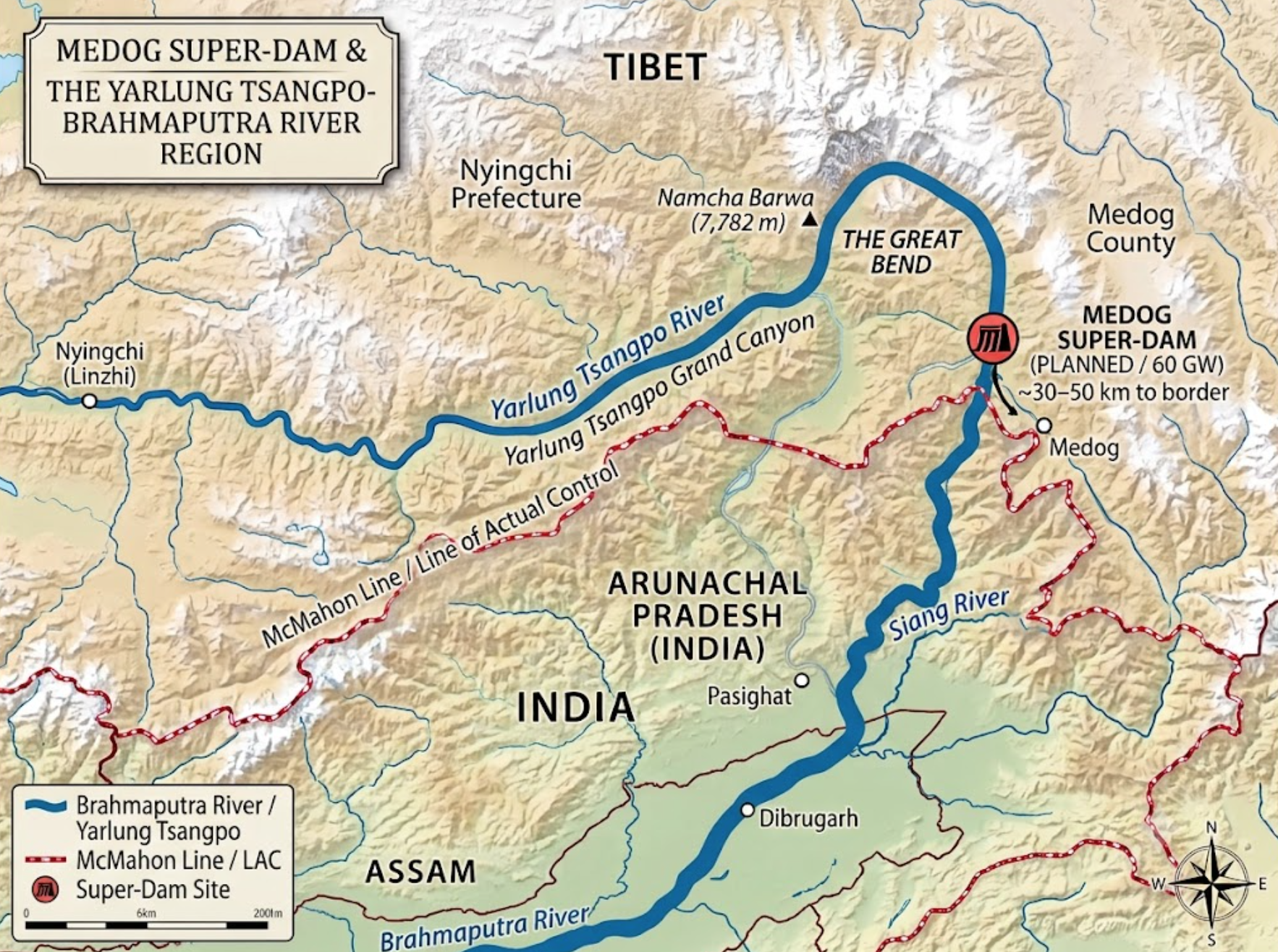



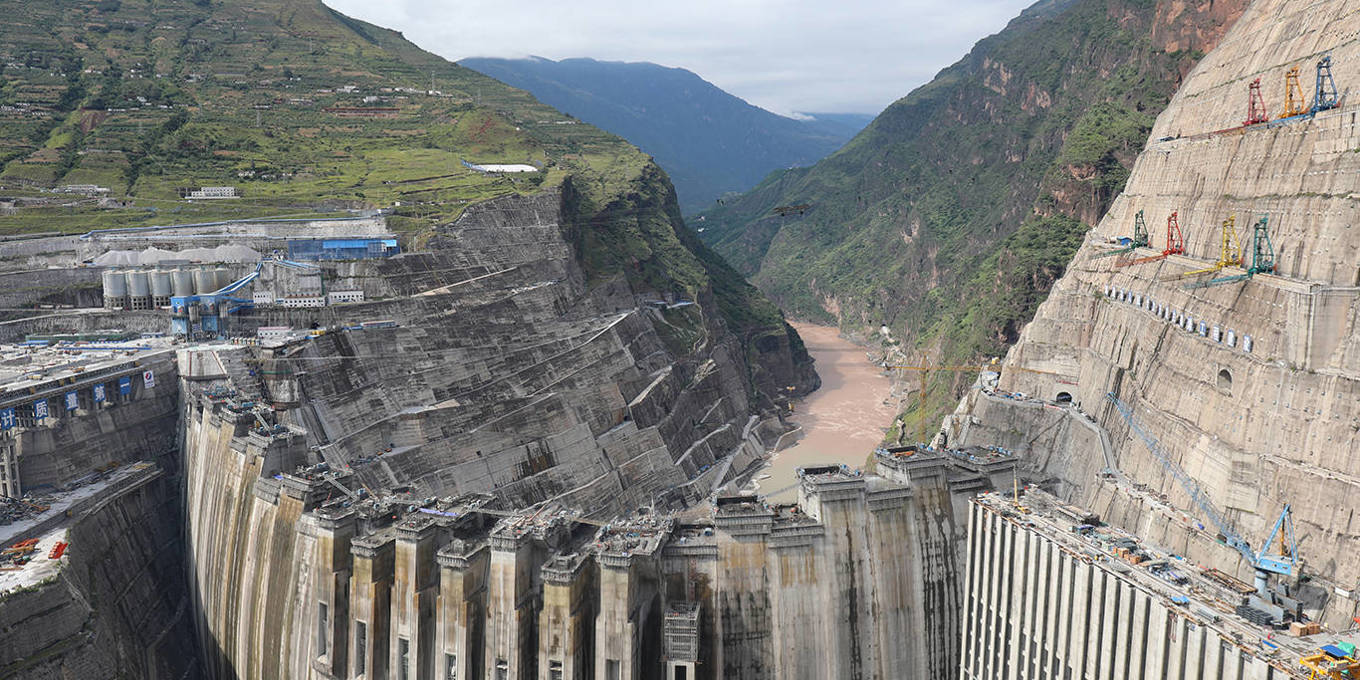

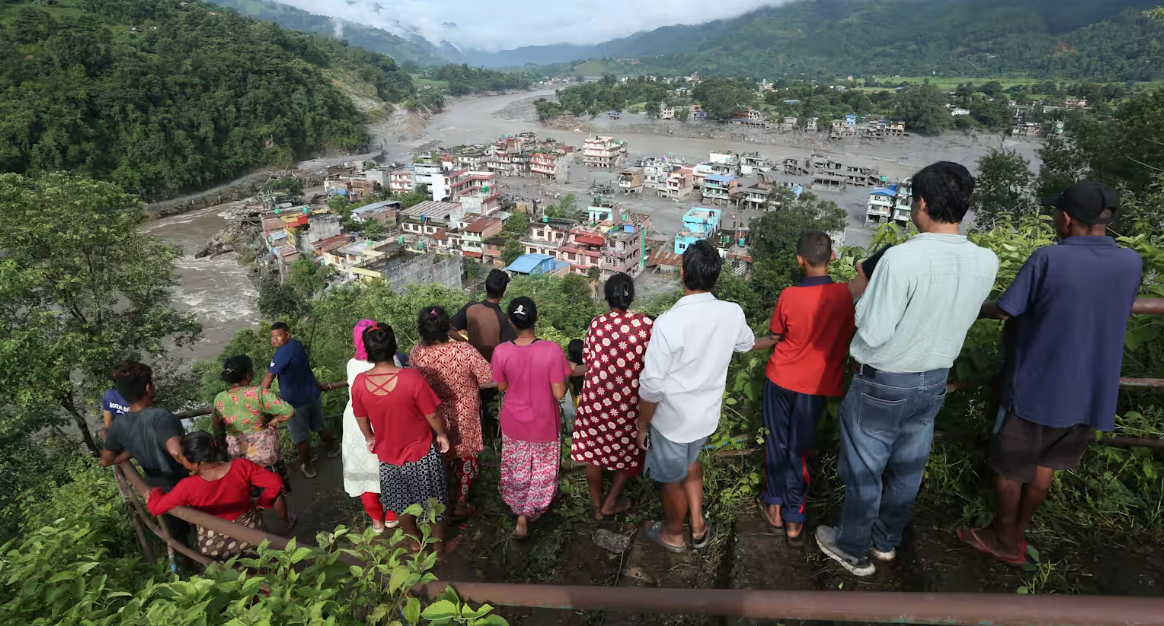


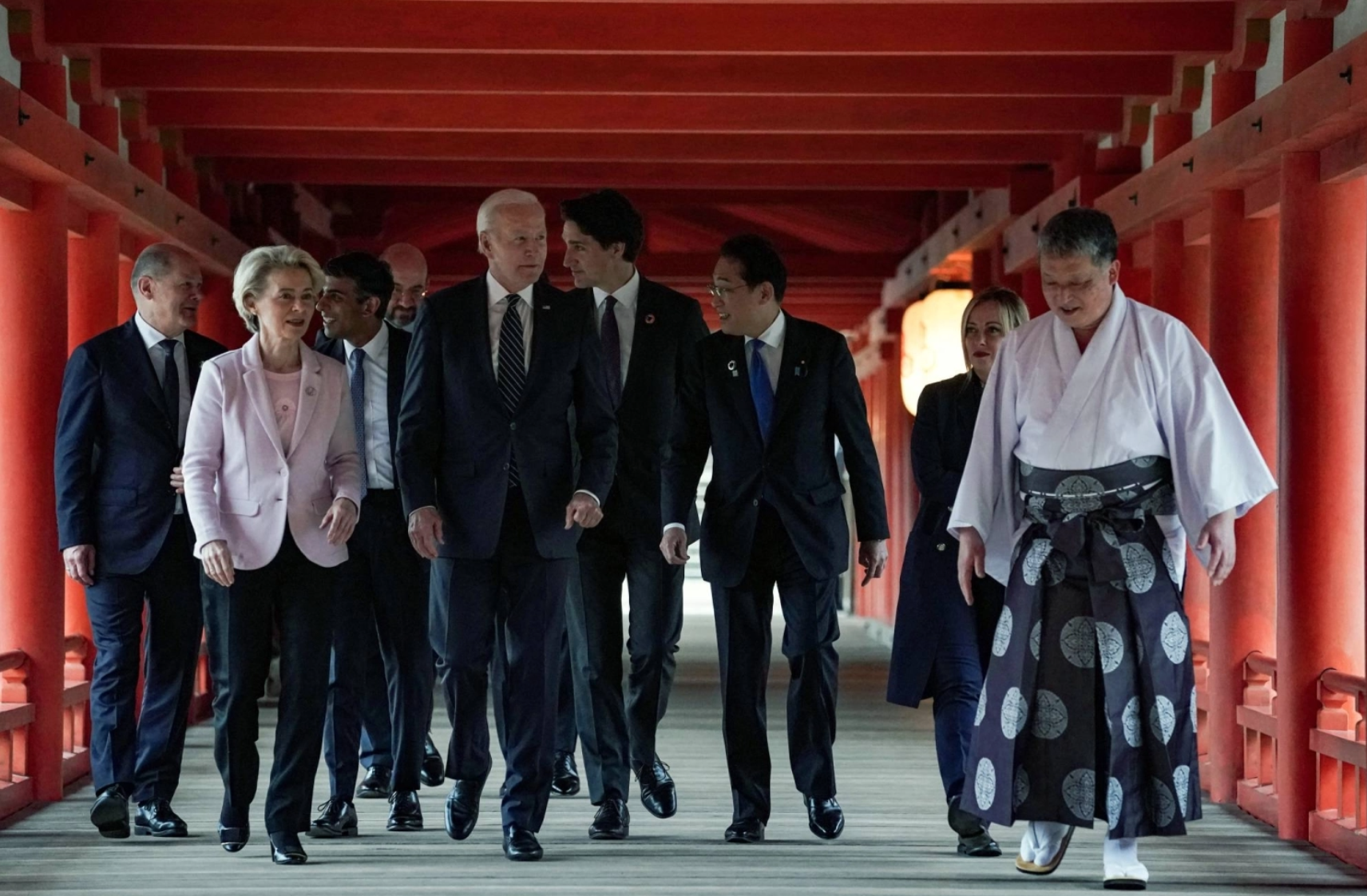


You must be logged in to post a comment.